

| Typical dealership labor rate | $130-$200/hr (AAA automotive cost surveys, range varies by region) |
| Typical independent shop labor rate | $80-$130/hr (AAA automotive cost surveys, range varies by region) |
| Common parts markup range | 25%-50% over wholesale (Industry general guidance; varies by shop policy) |
| Diagnostic fee range | $75-$175 (Varies by market and shop type) |
| Shop supplies charge | 1%-5% of labor total (Common industry practice) |
| Right to written estimate | Required in most U.S. states (State automotive repair act requirements; verify your state) |
The Anatomy of a Service Quote
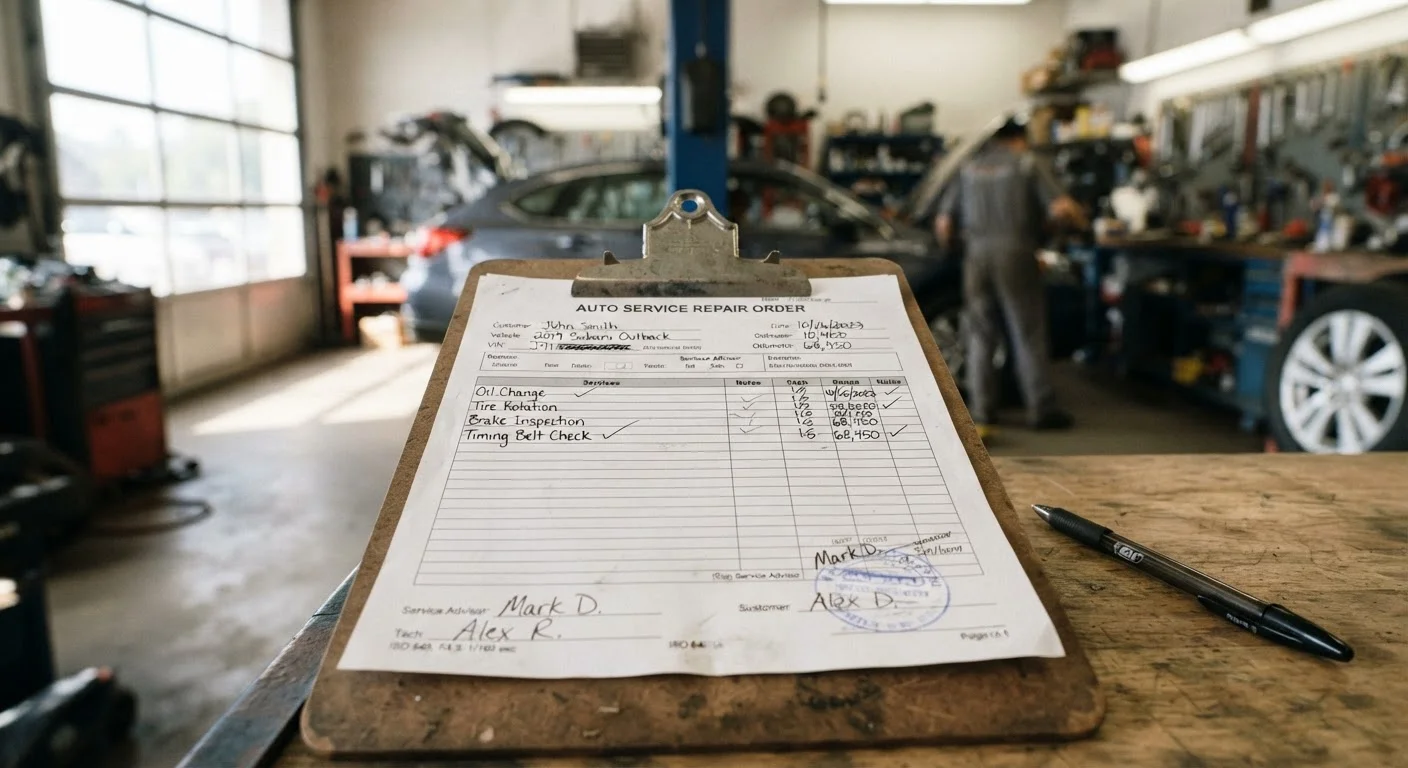
A service quote - also called a repair order or estimate - is a legal document in most states, not a rough suggestion. Before you sign anything, it helps to know what each section is actually telling you.
| Typical dealership labor rate | $130-$200/hr (AAA automotive cost surveys, range varies by region) |
| Typical independent shop labor rate | $80-$130/hr (AAA automotive cost surveys, range varies by region) |
| Common parts markup range | 25%-50% over wholesale (Industry general guidance; varies by shop policy) |
| Diagnostic fee range | $75-$175 (Varies by market and shop type) |
| Shop supplies charge | 1%-5% of labor total (Common industry practice) |
| Right to written estimate | Required in most U.S. states (State automotive repair act requirements; verify your state) |
Quotes are typically divided into three cost categories: labor, parts, and fees. Each deserves separate scrutiny because they follow different pricing logic. Labor is billed at a shop's hourly rate multiplied by flat-rate hours; parts are billed at a marked-up price above wholesale; and fees cover everything from diagnostic time to environmental disposal charges.
Understanding this structure matters because the total line can be misleading. Two quotes for identical work may show the same bottom line while hiding very different labor rates and parts costs that offset each other - making direct comparison harder than it looks. For a broader view of where maintenance fits in your overall ownership expenses, see the full picture of car ownership costs.
Labor: Hours, Rates, and Flat-Rate Billing
The labor section is usually the largest portion of any quote, and it uses a billing method most drivers don't expect. Shops charge by flat-rate hours, not by how long the job actually takes your specific technician.
Labor Rate
The hourly fee a shop charges for technician time, expressed in dollars per hour. It varies by shop type (dealership vs. independent) and region.
Flat-Rate Hour
A standardized time unit from an industry labor guide (such as Chilton or Mitchell) that defines how long a task should take, regardless of actual clock time. Shops typically bill by flat-rate hours, not actual time.
Parts Markup
The percentage added to a shop's wholesale cost for a part before it appears on your invoice. A part purchased for $40 at wholesale might be billed to you at $60 or more.
Diagnostic Fee
A charge for the technician time spent identifying a problem using scan tools, visual inspection, or test drives, before any repair work begins.
OEM Part
Original Equipment Manufacturer part - made by or for the vehicle's manufacturer to factory specifications. Generally carries the highest price on an invoice.
Aftermarket Part
A part made by a third-party supplier rather than the vehicle manufacturer. Quality ranges widely; price is typically lower than OEM.
Shop Supplies Fee
A line item covering consumables used during the job - rags, lubricants, fasteners, cleaning solvents. Often listed as a flat fee or a small percentage of total labor.
Sublet
Work your shop sends to a specialist (e.g., a transmission rebuilder or alignment shop) and then bills back to you, usually with a handling markup added.
For example, if a water pump replacement is listed in the labor guide as 2.5 hours and the shop's rate is $150/hr, you'll see $375 for labor - even if the technician finishes in 90 minutes. The reverse is also true: if complications arise, the flat rate generally protects you from being billed for extra time on the same task (though shops vary in how strictly they apply this).
What to ask: Request the labor guide source and the listed time for the task. This lets you verify the hours billed are standard rather than inflated.
Parts: OEM, Aftermarket, and Markup
Every part listed on your quote carries a price that includes a markup over what the shop paid at wholesale. This is standard practice and not inherently unfair - shops carry inventory risk and administrative costs - but the markup varies significantly.
You'll also see a choice between OEM parts and aftermarket parts. OEM parts come from the vehicle manufacturer's supply chain and typically carry a higher price. Aftermarket parts are made by third-party suppliers; quality ranges from near-OEM to significantly inferior, so the source matters. A quote should specify which type is being used for each line item.
Your Right to a Written Estimate
Most U.S. states require shops to provide a written estimate before beginning work and to obtain your authorization before exceeding that estimate. The specific dollar threshold and rules differ by state. Check your state's consumer protection office or department of motor vehicles for the rules that apply to you.
What to ask: For high-cost parts, ask for the part number. You can look it up independently to verify the part description matches the repair being done, and to understand whether the markup is in a reasonable range relative to retail pricing at major suppliers.
Fees, Diagnostics, and Line Items That Catch Drivers Off Guard
Beyond labor and parts, quotes often include several smaller charges that can add up to $50-$200 or more. Knowing what these are prevents unpleasant surprises at pickup.
- Diagnostic fee: Charged for the technician time used to identify a problem. This is legitimate work, though it's worth confirming upfront whether the fee is credited toward repair labor if you approve the work.
- Shop supplies fee: Covers consumables used during the job. Common practice, though the percentage can vary.
- Hazardous waste disposal: Applied when the job involves fluids (oil, coolant, brake fluid). Typically a small, flat charge.
- Sublet charges: If your shop sends work to a specialist, expect a handling markup on top of the specialist's rate.
- Miscellaneous or "shop charge": A catch-all that should be questioned. Ask for an itemized breakdown of what it covers.
The same habit of reading line items carefully applies in other contexts - hidden costs can skew comparisons in any purchase decision, not just automotive.
$1,186
Average annual vehicle maintenance & repair cost
According to AAA's annual Your Driving Costs study, this is a typical yearly outlay for maintenance and repair across vehicle categories.
Up to 50%
Parts markup over shop wholesale cost
Industry guidance suggests shops commonly mark up parts 25-50% above their wholesale purchase price before billing customers.
This article provides general information about automotive service pricing for educational purposes and does not constitute financial or legal advice. Pricing norms vary by region, shop, and vehicle type. Verify your state's specific consumer protection requirements with your state's relevant authority before any service appointment.