

Key Takeaways
Why Preventive Care Is a Financial Strategy
Pet owners often view routine vet visits, vaccines, and dental cleanings as optional expenses to defer when budgets tighten. In practice, skipping these steps tends to shift costs forward - and multiply them. A condition caught early at a wellness exam is almost always cheaper to manage than the same condition diagnosed after symptoms appear.
This isn't a guarantee - individual animals vary, and not every preventable condition can be anticipated. But the general pattern holds: small, consistent investments in wellness tend to reduce the likelihood of large, unplanned bills. See how wellness visits compare financially to sick visits for a clearer sense of where the numbers diverge.
Keep vaccinations and parasite prevention current year-round.
Core vaccines protect against diseases that can be fatal and extremely costly to treat, such as parvovirus in dogs or panleukopenia in cats. Monthly parasite preventives - for fleas, ticks, and heartworm - cost a fraction of treating an established infestation or infection. Heartworm treatment alone, for example, can run hundreds to over a thousand dollars depending on disease stage and the animal's size.
Schedule annual - or biannual for seniors - wellness exams.
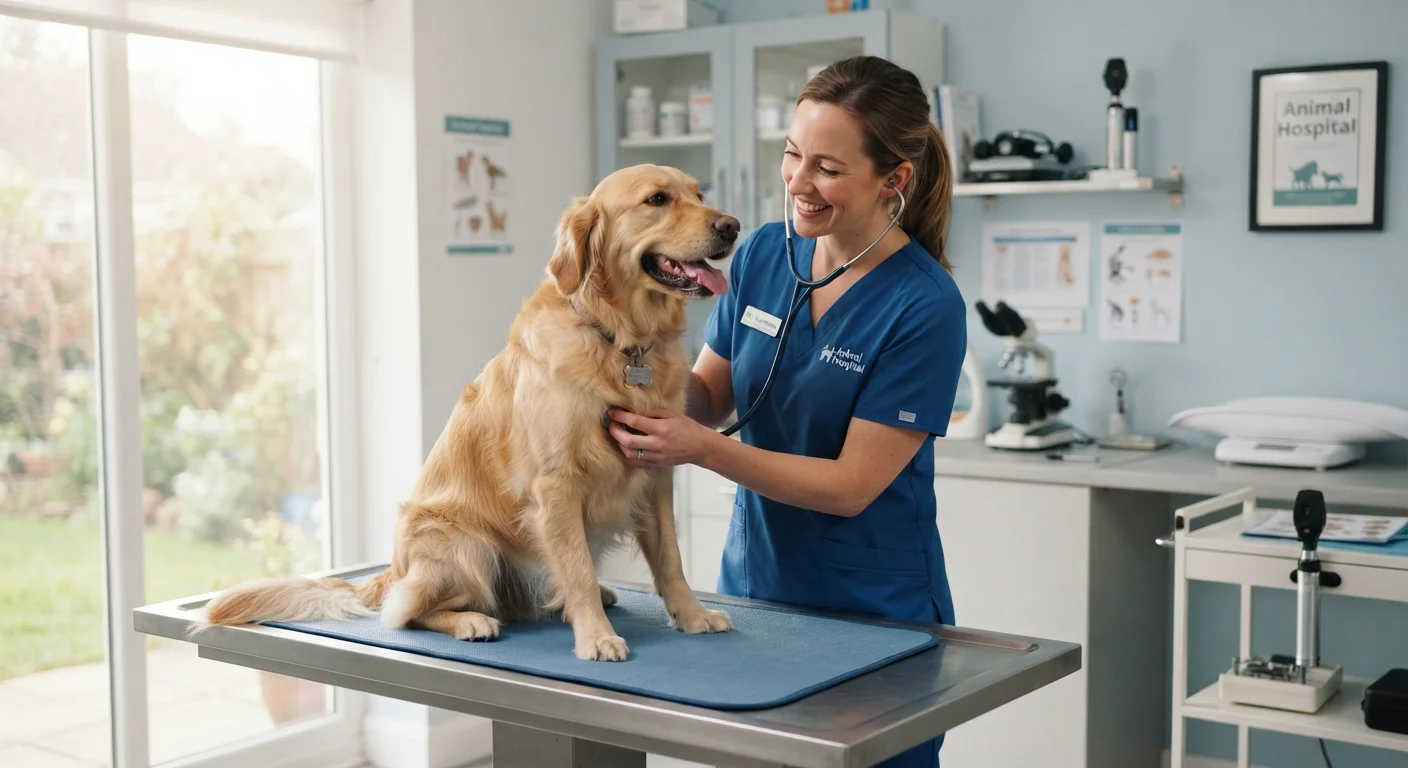
Routine exams give veterinarians the opportunity to identify early-stage conditions, from heart murmurs to dental disease to early kidney changes, before they require urgent or specialist-level intervention. For pets over seven years of age, twice-yearly exams are commonly recommended given how quickly conditions can progress. Skipping exams doesn't eliminate these conditions - it just delays diagnosis, often at greater cost.
Prioritize dental hygiene as a recurring part of pet care.
Periodontal disease affects a majority of dogs and cats by age three, according to veterinary dental research, and it doesn't stay confined to the mouth. Untreated dental disease can contribute to organ damage and requires costly professional cleanings under general anesthesia. Regular at-home brushing and periodic professional evaluations reduce the pace of tartar accumulation and can extend the interval between anesthetic dental procedures.
Maintain your pet at a healthy body weight through diet and exercise.
Obesity in pets is directly linked to a range of expensive chronic conditions: arthritis, type 2 diabetes in cats, respiratory issues, and shortened lifespan. Managing weight through appropriate feeding portions and regular activity is low-cost compared to long-term medication, joint supplements, or insulin therapy. Your veterinarian can recommend a target weight range and feeding plan appropriate for your pet's species, age, and health status.
Perform regular at-home health checks between vet visits.
Owners who handle their pets regularly and observe them closely are more likely to notice early changes - lumps, ear odor, limping, coat changes, or shifts in drinking and urination - before they escalate. This doesn't replace professional diagnosis, but it does shorten the window between problem onset and veterinary attention, which generally correlates with simpler and less expensive treatment.
High-Impact Preventive Habits to Build Now
The practices below aren't ranked by importance - each addresses a distinct risk area. Together, they form a practical framework for reducing the financial unpredictability of pet ownership over time.
If you're newer to managing pet health costs systematically, the Pet Health Savings starter guide covers the foundational concepts worth knowing from day one.
Budgeting Around Preventive Care
Preventive care works best when it's planned for, not squeezed into a budget reactively. Many pet owners find it useful to estimate their annual wellness costs upfront - vaccines, one or two exams, dental evaluation, and parasite prevention - and treat these as fixed line items rather than discretionary spending.
For those uncertain about how to handle larger unexpected costs, comparing pet insurance and veterinary payment plans can clarify which approach fits different financial situations. Some owners also build a dedicated pet emergency fund as a self-insurance alternative. Access to low-cost community veterinary clinics can also make routine preventive care more accessible for owners on tighter budgets.
Costs Vary by Region and Practice
Veterinary pricing varies meaningfully by geographic region, practice type, and individual patient factors. The figures referenced in this article are illustrative ranges drawn from publicly available veterinary resources, not guaranteed quotes. Always request an itemized estimate from your own veterinarian before proceeding with any procedure or treatment plan. If cost is a concern, asking your vet about alternatives and urgency before agreeing to a plan is a practical step.
This article provides general information about pet wellness and is not a substitute for advice from a licensed veterinarian. Consult your vet for guidance tailored to your individual pet's health needs.