

Key Takeaways
Fare Class
A fare class is a single-letter code that airlines use internally to categorize each seat they sell. It determines the price you paid, the rules attached to your ticket, and how the airline's systems treat your booking for things like upgrades, mileage accrual, and changes. Fare classes are distinct from cabin classes — multiple fare classes can exist within the same physical cabin.
Airlines manage fare classes through a system called inventory control or revenue management, where each class has a limited number of seats available at any given time. The same seat on the same flight can carry different fare class codes depending on when and how it was booked.
The Alphabet Behind Your Ticket Price
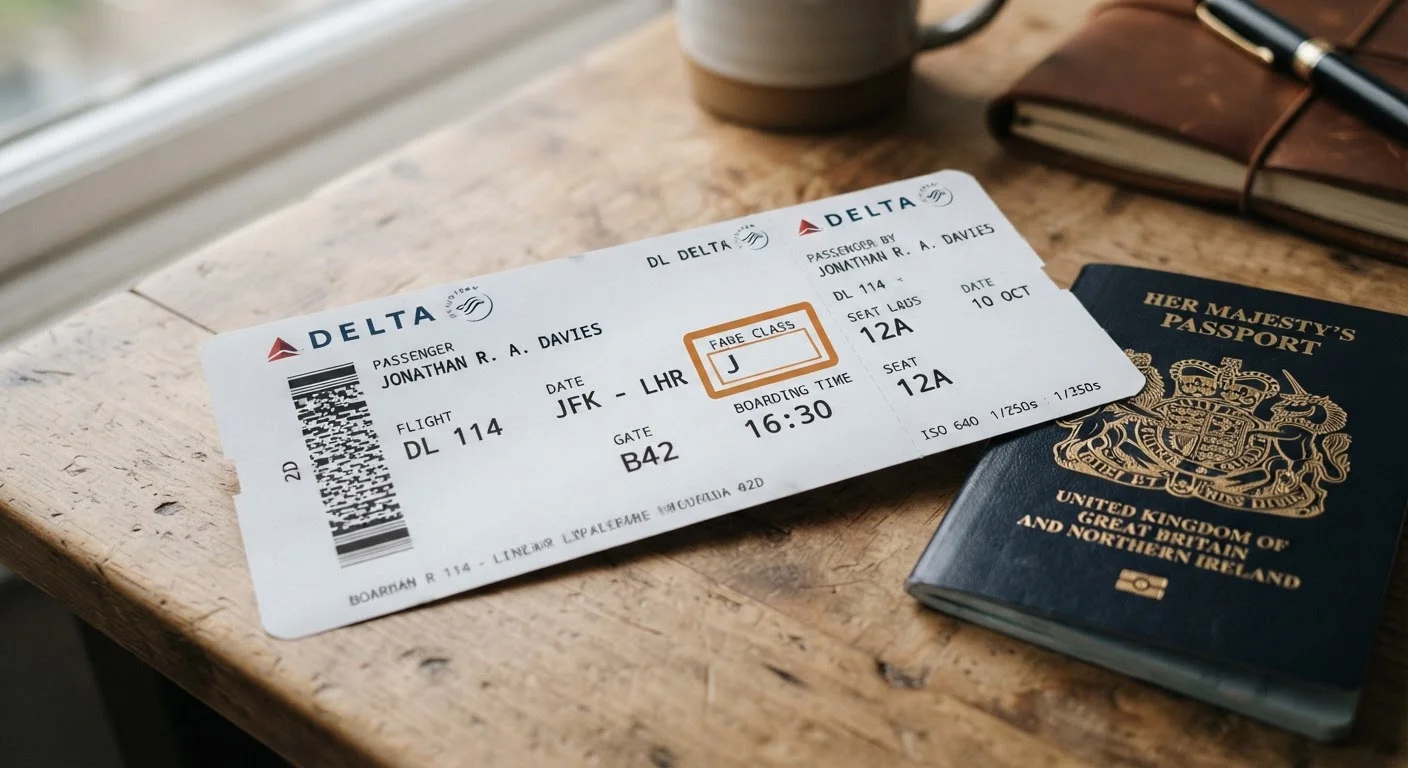
When you book a flight, you're assigned a fare class — a single capital letter that functions as a shorthand contract between you and the airline. Common codes include Y (typically full-fare economy), B, M, K, Q, and V, descending roughly in flexibility and price. First and business cabins have their own set of codes, such as F, J, and C.
These codes are called RBDs in industry language. Airlines use them to segment demand: rather than selling every economy seat at the same price, they create artificial tiers. When the cheapest tier (say, V or Q) sells out, the system automatically opens the next class up — at a higher price. This is core to how airline revenue management operates. For a deeper look at the mechanics behind pricing movements, see how airline pricing actually works.
26+
Distinct fare classes a single cabin can carry
Major network carriers commonly use the full alphabet to segment demand within economy alone, each with distinct pricing and rule sets.
25–500%
Range of mileage earning rates by fare class
Airline loyalty program earning charts show this spread — the lowest discount classes may earn as little as 25% of miles flown, while premium full-fare classes can exceed 100%.
What Your Fare Class Controls
The letter code attached to your booking governs several practical outcomes that go well beyond the price you paid:
- Change and cancellation fees: Lower fare classes typically carry the most restrictive terms — non-refundable tickets, high change fees, or no changes at all. Higher classes within the same cabin offer more latitude.
- Mileage accrual: Frequent flyer programs tie earning rates directly to fare class. A W-class economy ticket might earn 50% of miles flown; a Y-class ticket on the same route might earn 100% or more. This matters if you're building toward a redemption.
- Upgrade eligibility: Complimentary upgrades — including those extended to elite status members — are often withheld for deeply discounted fare classes. The airline's gate system checks your RBD before processing any upgrade request.
- Seat selection and ancillaries: Some airlines restrict advance seat selection or waive bag fees only for specific fare class ranges.
Understanding these levers helps you weigh total value rather than just the upfront fare. For a fuller picture of what erodes cheap ticket savings, see hidden costs embedded in low airfares.
Always Check Fare Class Before Booking Award Travel
If you're using miles or points, the fare class on the revenue ticket can affect co-pay fees, upgrade availability, and how partner airlines process your booking. Verify your itinerary's RBD against the loyalty program's terms before confirming — not after.
Reading Fare Classes Strategically
You don't need an industry login to use fare class information practically. Here's how to apply it when booking:
- Check the fare basis code before confirming. Most booking flows show it on the review screen or in the confirmation email. A code like
VLNRtells you the base class is V — discount economy — with additional rule suffixes for things like advance purchase requirements. - Cross-reference mileage earning charts. If you're crediting miles to a partner program, both the operating carrier's fare class and the partner's earning rules matter. A ticket booked in L class on one carrier might earn nothing when credited to a partner.
- Factor in flexibility needs. If there's any chance your plans will shift, the price gap between a Q-class and a B-class fare may be worth paying for the ability to change without penalty.
Timing and route dynamics also interact with which fare classes are available on any given search. The architecture of a cheap flight breaks down how booking windows and demand cycles shape what you see. Setting a fare alert on a specific route can also help you track when lower-class inventory opens up — see our fare alerts and price tracking reference for how those tools work.