

Key Takeaways
Supplement Expiration Date
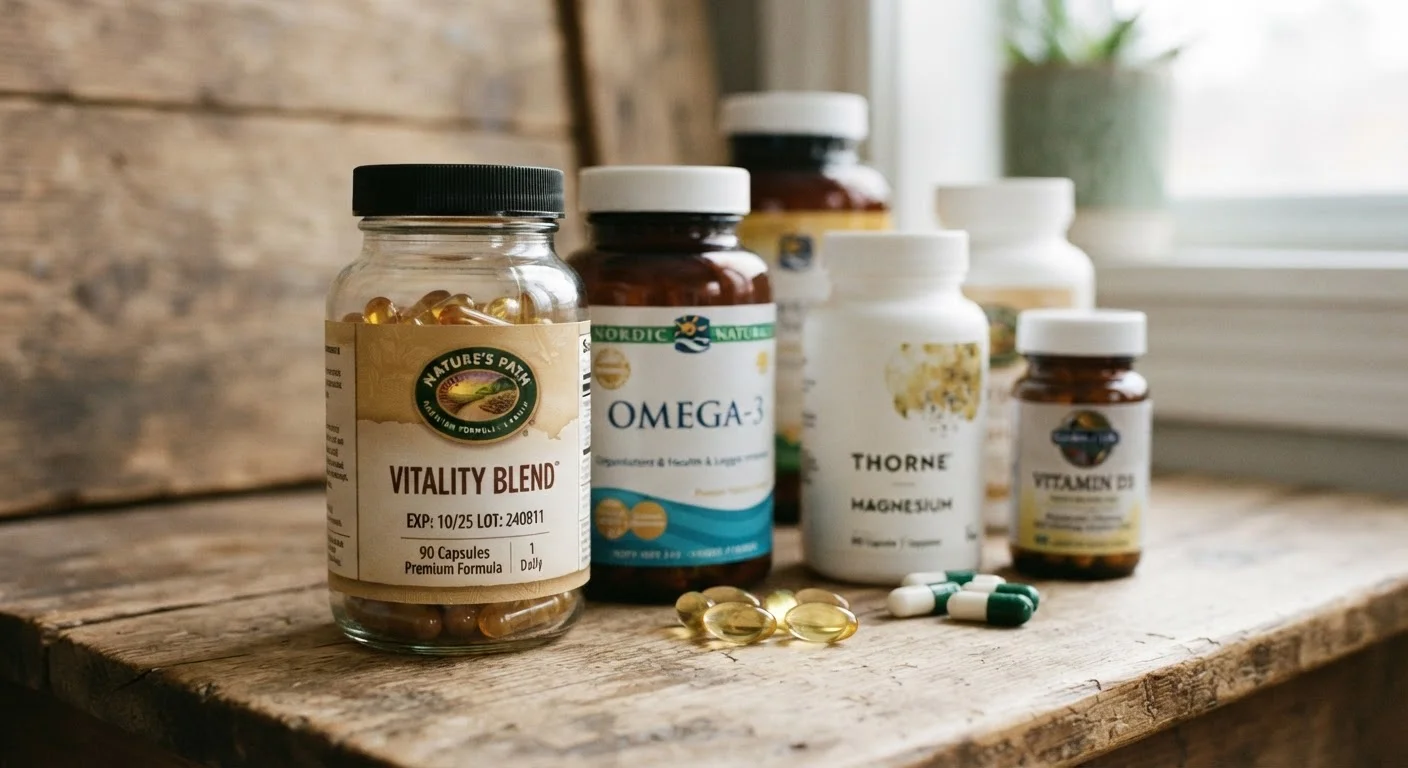
A supplement expiration date is the manufacturer's guarantee that the product contains at least the labeled potency of each ingredient up to that date, assuming proper storage. After this date, the supplement may still be physically safe to consume, but the active ingredients can degrade - meaning you may get significantly less than the dose shown on the label. For cost-conscious shoppers, this distinction matters because a degraded supplement is a poor value regardless of its original price.
The FDA requires expiration dates on dietary supplements under 21 CFR Part 111, but unlike prescription drugs, supplements are not required to undergo stability testing to substantiate those dates - manufacturers bear responsibility for the accuracy of dating on their own products.
What Expiration Dates Actually Mean on Supplement Labels
Unlike food expiry dates - which typically signal safety concerns - supplement expiration dates are primarily about potency. A manufacturer certifies that a product meets its labeled ingredient concentrations through that date, under specified storage conditions. Past that date, the product may look and smell the same, but the active compounds may have partially or substantially broken down.
This matters especially for budget-focused shoppers who stock up on supplements to lower per-unit costs. If a bottle of vitamin C tablets expires three months into a year-long supply, you're not saving money - you're paying full price for diminishing returns. Understanding this dynamic is the first step toward smarter purchasing decisions. For a broader look at how bulk buying plays out across product categories, see our article on the genuine savings and hidden costs of bulk buying.
~20%
Potency loss some vitamins show within 1 year post-expiry
Research published in pharmacological literature has documented potency losses of approximately 20% or more in certain vitamins within one year past their expiration date, depending on storage conditions.
Up to 50%
Reduction in probiotic live cultures before expiry in poor conditions
Studies on probiotic stability indicate that live colony counts can drop by half or more when products are stored above recommended temperatures, even within the labeled shelf life.
Which Supplement Types Degrade Fastest
Not all supplements age equally. The molecular structure of active ingredients determines how quickly they break down when exposed to heat, light, moisture, or oxygen.
- Probiotics: Live bacterial cultures are among the most fragile supplement types. Viability drops meaningfully at room temperature, and many products require refrigeration to maintain labeled colony counts through their expiry date.
- Fish oil and omega-3 fatty acids: These lipids oxidize readily when exposed to air and heat, producing rancid compounds. Rancid fish oil is not only ineffective but may be counterproductive - oxidized fats can promote rather than reduce inflammation.
- Fat-soluble vitamins (A, D, E, K): These vitamins are sensitive to light and oxygen exposure. Softgel formats in particular are susceptible once the seal is broken.
- Water-soluble vitamins (B-complex, C): These degrade more gradually but are still affected by humidity and temperature fluctuations.
- Minerals (magnesium, zinc, calcium): Mineral compounds are chemically stable and tend to have the longest effective shelf lives among common supplements.
The delivery format also plays a significant role - something explored in depth in our guide on which supplement form delivers better value.
How Storage Conditions Accelerate or Slow Degradation
Expiration dates assume ideal storage - typically a cool, dry location away from direct light. Real-world storage often falls short of that standard. A bathroom medicine cabinet, for example, exposes supplements to steam and heat from showers. A car's glove compartment can reach temperatures well above what stability testing accounts for.
Best Practices for Supplement Storage
Store supplements in a cool, dry location - a bedroom dresser drawer or a dedicated cabinet away from the stove and bathroom typically works well. Keep containers tightly sealed after each use, and consider smaller quantities of heat-sensitive products like probiotics and fish oil rather than buying the largest available size.
Even within their labeled shelf life, supplements stored improperly may lose potency well ahead of schedule. This is particularly relevant for shoppers who buy in bulk - larger quantities sit unused for longer, increasing cumulative exposure to degrading conditions. Factoring storage into your supplement budget strategy can make a meaningful difference in actual value received.
Calculating Real Value: Potency Per Dollar Over Time
A useful mental model is to think in terms of effective doses per dollar, not just units per dollar. A 500-count bottle purchased at a steep discount delivers genuine value only if you can realistically consume those doses while the product maintains its labeled potency.
Practical steps to calculate this:
- Check the expiry date before purchasing - especially in bulk or discounted contexts.
- Estimate your realistic monthly usage based on your current routine.
- Divide the total count by your monthly usage to determine how many months the supply covers.
- Compare that timeframe to the remaining shelf life.
If the math doesn't work out, the per-unit savings evaporate. For more strategies on structuring your supplement spending over a full year, our piece on stretching your annual supplement budget covers a range of practical approaches.
This article is for general informational purposes only and does not constitute medical advice. Consult a qualified healthcare professional before starting, stopping, or changing any supplement or health regimen.