

Key Takeaways
Low or zero upfront cost for repurposed containers
Food-grade buckets, wooden crates, old colanders, and even tin cans can substitute for purchased pots at little to no cost. The main investment is time to drill drainage holes and clean them properly.
Fabric grow bags improve root health significantly
Grow bags promote air pruning - roots that reach the bag wall are naturally stopped, which encourages a denser, healthier root structure rather than circling roots that restrict plant growth.
Containers allow gardening in non-garden spaces
Patios, balconies, driveways, and rooftops become viable growing areas. This is especially valuable for renters or homeowners with poor native soil.
Easy to move and adjust for sunlight or frost
Unlike in-ground beds, containers let you respond to the weather - moving plants under cover during frost warnings or into shade during unexpected heat waves without replanting.
Budget plastic pots are widely available and reusable
Basic nursery-grade plastic pots can be found inexpensively at hardware stores, and with careful storage out of direct UV exposure between seasons, many will last several years.
Containers dry out far faster than garden beds
Soil in containers can dry out within a day during summer heat, especially in small or dark-colored pots. This raises your water usage and the risk of plant stress if you miss a watering.
Soil costs accumulate quickly at scale
Filling multiple large containers requires significant volumes of potting mix, which is sold at a premium over bulk garden soil. Costs can exceed the container price itself, particularly for deep-rooted vegetables.
Cheap plastic pots degrade under UV exposure
Standard thin-walled plastic becomes brittle and cracks after one or two seasons of direct sun exposure, especially in warmer US climates. This raises effective per-season cost compared to a more durable option.
Repurposed containers carry contamination risks
Containers previously used for chemicals, paint, or non-food-grade materials can leach harmful residues into soil and plants. Only food-safe or confirmed non-toxic materials should be used for edibles.
Container size is frequently underestimated
Many beginners use containers that are too small for the plants they're growing, resulting in stunted growth, reduced yields, and constant watering needs. Tomatoes, for example, generally need at least a 5-gallon container.
Grow bags require more frequent watering than rigid pots
Because grow bags breathe through their walls, moisture evaporates faster - a significant drawback if you're managing many containers or are away from home regularly.
Our Verdict
Budget container gardening genuinely works, but success depends on matching the container type to the plant's needs rather than simply picking whatever's cheapest upfront. Repurposed containers and grow bags tend to offer the most value when chosen thoughtfully, while the cheapest plastic pots may cost more over time through plant losses and replacement. No single container type wins across every situation.
Gardeners with limited outdoor space, renters who can't dig in-ground beds, or anyone starting out who wants to test container growing before committing significant money.
Where Budget Container Gardening Actually Delivers
The appeal of container gardening on a budget is real: you can start growing edibles or ornamentals without owning a yard, without tilling soil, and without a large upfront investment. The honest question isn't whether budget containers work - many do - but which choices hold up over a full growing season and which create hidden costs down the line.
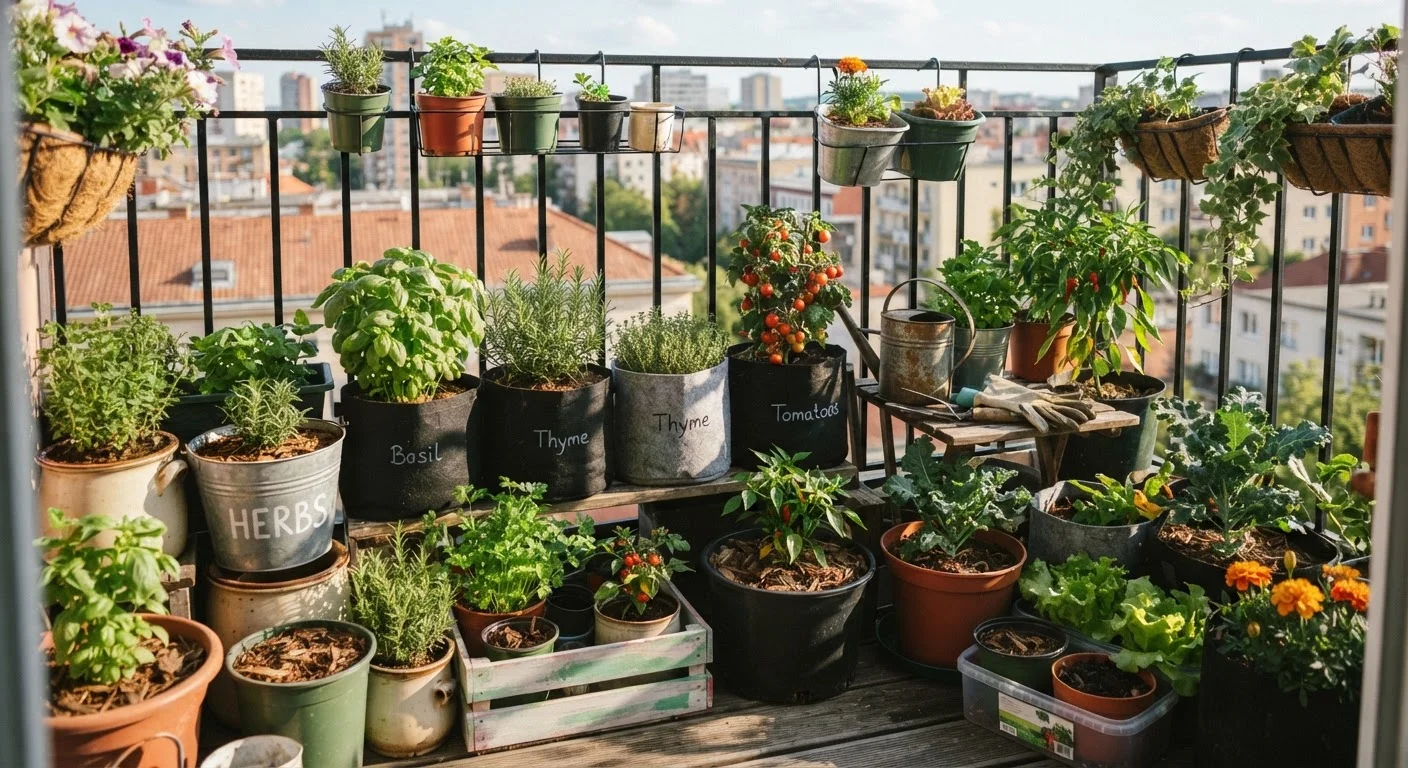
Repurposed containers are the most cost-effective starting point when handled correctly. Five-gallon food-grade buckets, wooden fruit crates lined with burlap, and even old colanders drain well and provide adequate root space for herbs, lettuce, and compact pepper varieties. The key steps - drilling drainage holes, checking material safety, and cleaning thoroughly - cost almost nothing but make the difference between a functioning container and a waterlogged failure.
Fabric grow bags occupy a middle ground in price and performance. They typically cost a few dollars each and genuinely outperform cheap plastic pots for crops that are sensitive to root stress, such as tomatoes, beans, and potatoes. The air-pruning effect they create leads to denser, more productive root systems - a meaningful advantage that budget plastic pots cannot replicate.
Low or zero upfront cost for repurposed containers
Food-grade buckets, wooden crates, old colanders, and even tin cans can substitute for purchased pots at little to no cost. The main investment is time to drill drainage holes and clean them properly.
Fabric grow bags improve root health significantly
Grow bags promote air pruning - roots that reach the bag wall are naturally stopped, which encourages a denser, healthier root structure rather than circling roots that restrict plant growth.
Containers allow gardening in non-garden spaces
Patios, balconies, driveways, and rooftops become viable growing areas. This is especially valuable for renters or homeowners with poor native soil.
Easy to move and adjust for sunlight or frost
Unlike in-ground beds, containers let you respond to the weather - moving plants under cover during frost warnings or into shade during unexpected heat waves without replanting.
Budget plastic pots are widely available and reusable
Basic nursery-grade plastic pots can be found inexpensively at hardware stores, and with careful storage out of direct UV exposure between seasons, many will last several years.
If you're just getting started, see our guide to growing on a budget for the core principles that keep costs consistently manageable from day one.
The Real Costs Most Gardeners Overlook
Container type is only one part of the cost equation. Soil, water, and plant losses from poor container choices often exceed what you spent on the pots themselves - and these costs repeat every season.
Potting mix sold in bags at garden centers is priced at a significant premium over bulk alternatives. A single large container can require a cubic foot or more of mix, and filling ten containers adds up fast. One practical approach is to make your own compost at home to extend purchased potting mix further, reducing what you need to buy each season. See also our breakdown of why bagged garden soil costs more than it should for context on what's actually in those bags.
Water consumption is the other underestimated cost. Containers - especially small or dark ones in full sun - can need daily watering in summer. If you're on a metered water supply, running many containers without a strategy for moisture retention adds to your utility bill. Mulching the surface of containers with straw or shredded leaves slows evaporation meaningfully at almost zero cost.
Containers dry out far faster than garden beds
Soil in containers can dry out within a day during summer heat, especially in small or dark-colored pots. This raises your water usage and the risk of plant stress if you miss a watering.
Soil costs accumulate quickly at scale
Filling multiple large containers requires significant volumes of potting mix, which is sold at a premium over bulk garden soil. Costs can exceed the container price itself, particularly for deep-rooted vegetables.
Cheap plastic pots degrade under UV exposure
Standard thin-walled plastic becomes brittle and cracks after one or two seasons of direct sun exposure, especially in warmer US climates. This raises effective per-season cost compared to a more durable option.
Repurposed containers carry contamination risks
Containers previously used for chemicals, paint, or non-food-grade materials can leach harmful residues into soil and plants. Only food-safe or confirmed non-toxic materials should be used for edibles.
Container size is frequently underestimated
Many beginners use containers that are too small for the plants they're growing, resulting in stunted growth, reduced yields, and constant watering needs. Tomatoes, for example, generally need at least a 5-gallon container.
Grow bags require more frequent watering than rigid pots
Because grow bags breathe through their walls, moisture evaporates faster - a significant drawback if you're managing many containers or are away from home regularly.
Cheap plastic pots present a slow-drain problem: they often start with inadequate drainage holes, and the thin material degrades under UV exposure within a season or two in warm climates. Replacing failed pots annually erases the original savings. Spending slightly more on thicker-walled plastic or switching to grow bags is often the more economical long-run choice for recurring use.
Making Smart Container Choices for Your Setup
The most effective approach is to match container type to plant need rather than defaulting to whatever's cheapest at the moment. Short-season crops - radishes, salad greens, cilantro - do fine in basic plastic nursery pots or even deep trays because they don't need large root runs or extended durability. Using repurposed yogurt containers or takeout trays for seedlings and transplants makes sense here.
Food Safety and Repurposed Containers
Not every container that holds dirt is safe for growing food. Avoid anything that previously stored motor oil, paint, pesticides, or industrial chemicals, as residues can persist in the material and transfer to plant tissue. Food-grade HDPE buckets (marked with a #2 recycling symbol) are generally considered safe for edible crops. When in doubt, use repurposed containers only for ornamental plants.
For fruiting vegetables like tomatoes, peppers, and cucumbers, invest in a container you'll actually reuse. Fabric grow bags or thicker-walled rigid containers in the 7-10 gallon range are worth the modest additional cost because they support stronger plants and tolerate multiple seasons. Avoid the temptation to go small to save money - undersized pots reliably reduce yields and increase the watering burden, which are both costs in their own right.
Knowing what not to spend on is equally useful. Decorative ceramic or glazed pots sold at garden centers carry a large price premium with no growing advantage over functional alternatives. Similarly, specialty "self-watering" inserts can be DIY'd inexpensively using recycled bottles or wicking cord if moisture retention is your main challenge.
Pairing your container strategy with smarter plant sourcing compounds the savings. Propagating plants from cuttings lets you fill more containers without buying new plants each season. And at season's end, following an end-of-season checklist to clean, store, and assess your containers means you start next year with usable inventory rather than a replacement shopping list.
Budget container gardening rewards intentionality more than frugality alone. The gardeners who spend the least over time are those who choose durable-enough containers for the task, manage moisture efficiently, and avoid the recurring cost of plant losses from undersized or unsuitable pots.