

Key Takeaways
Why the Assessment Matters as Much as the Repair
Most DIY mistakes don't happen during the repair - they happen before it, when a homeowner sizes up a job by appearance alone. A cracked tile looks simple. A dripping faucet looks simple. But the conditions behind the surface - concealed wiring, water damage, structural involvement, or regulated systems - determine whether a task is genuinely homeowner-appropriate or one that carries real risk.
This isn't about discouraging DIY. Done well, self-managed repairs save meaningful money. The goal here is giving you a reliable framework to assess a job before you commit tools, time, or money. For a broader introduction to which repairs are realistically within reach, see our practical introduction for first-time homeowners.
Six Checks to Run Before You Start
Work through these before touching a single tool. Each one can change your decision.
Check whether a permit is required before doing anything else
Many jurisdictions require permits for electrical work beyond device swaps, plumbing beyond fixture replacement, structural changes, HVAC modifications, and roofing above a certain scope. Unpermitted work can void homeowner's insurance, complicate a future sale, and result in fines or mandatory removal of completed work.
Determine whether any wall, floor, or ceiling element is load-bearing
Removing or modifying a load-bearing element without proper support can cause serious structural damage, potentially creating a collapse risk. This is not a visible distinction - it requires understanding your home's framing system or consulting a structural professional.
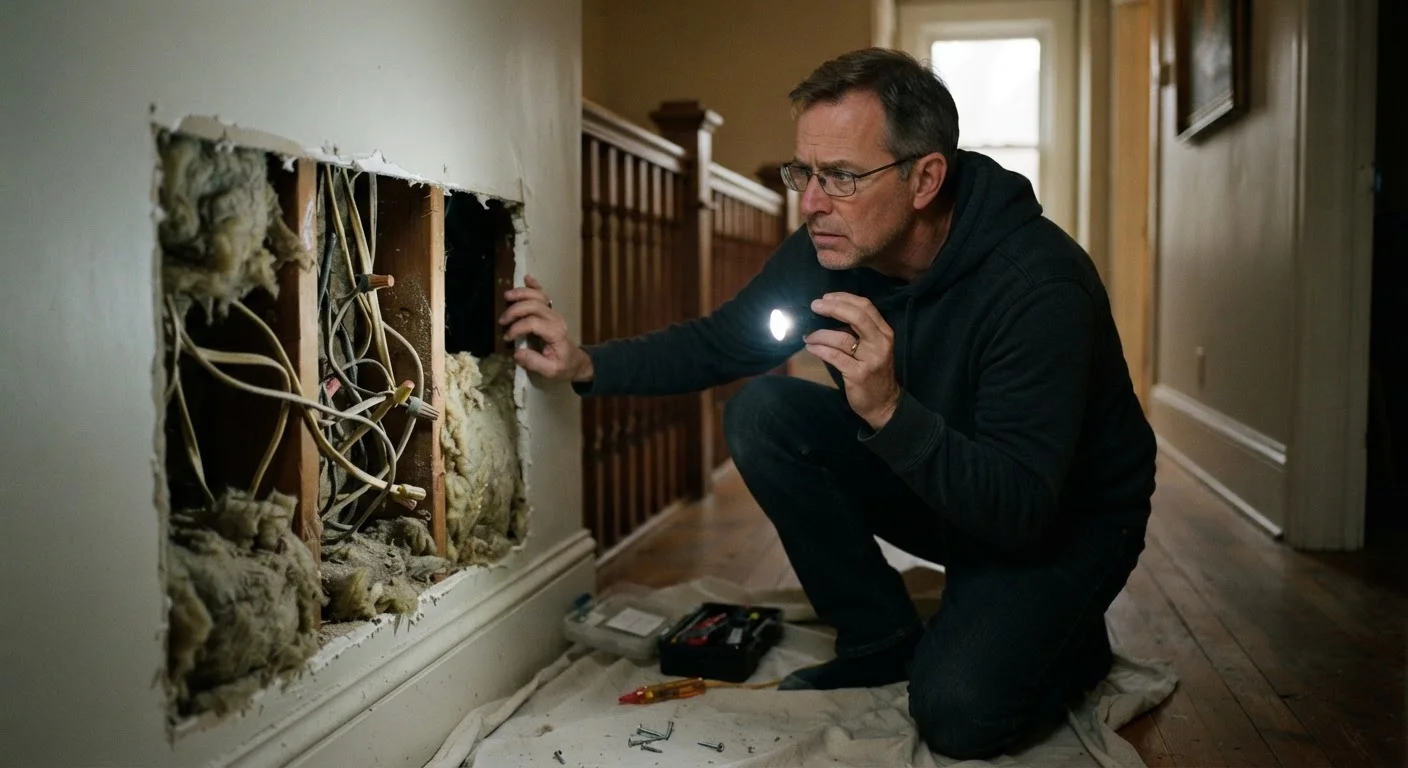
Identify what's behind the surface before cutting or drilling
Walls, floors, and ceilings often conceal wiring, plumbing supply or drain lines, and HVAC ductwork. Cutting into an active circuit or a pressurized pipe creates immediate safety and property damage risks.
Match the repair's technical complexity to your verified skill level
Confidence is not the same as competence, and overestimating ability is the most common cause of DIY projects that end up costing more than a professional would have charged. Be honest about what you have successfully completed before - not what you've watched done.
Assess whether the repair requires licensed trade work by law
In most US states, certain categories of work - including electrical panel modifications, gas line work, and structural alterations - must legally be performed by a licensed professional regardless of homeowner skill. Doing this work yourself may be illegal, and insurance claims related to unlicensed work are frequently denied.
Evaluate the cost of getting it wrong before starting
Every repair has a failure cost - what it would take to undo a mistake, repair additional damage caused, or bring a professional in mid-job. For some repairs, the failure cost is low (repainting a wall). For others, it can multiply the original job cost several times over.
If a job fails two or more of these checks, it's worth reading through our framework for deciding when to hire a tradesperson before proceeding.
Quick-Start Actions You Can Take Today
You don't need to wait for a specific repair to use this process. Building these habits now means you'll assess accurately when a real job comes up.
Document What You Find During Assessment
Take photos of anything you discover - wiring locations, pipe runs, framing conditions - before you close things back up. This documentation is useful for future repairs, helpful for contractors you later bring in, and valuable if you ever sell the home. A two-minute habit at assessment time can save significant time and guesswork later.
For tasks involving drywall specifically - one of the most commonly misjudged repair categories - our guide to patching drywall from small holes to larger damage walks through exactly what to expect at each size of damage.
When to Stop and Call a Professional
Some jobs are worth re-evaluating mid-assessment - or even mid-repair. If you open a wall and find active knob-and-tube wiring, stop. If you discover the wall you planned to remove has a beam sitting on top of it, stop. If a tile repair reveals black mold behind the backer board, stop.
~33%
DIY repairs that end up requiring professional intervention
Industry estimates suggest roughly one-third of DIY repair attempts are eventually completed or corrected by a hired professional, often at higher total cost than hiring out initially.
Top 3
Most commonly unpermitted work categories
Electrical additions, basement finishing, and deck construction consistently rank among the most frequently flagged unpermitted projects during home sales, according to real estate inspection data.
These aren't failure moments - they're the system working. The real cost risk isn't in calling a licensed professional; it's in finishing a job that should have been stopped. Our article on repairs that genuinely save money done DIY gives an honest breakdown of where the line tends to fall across common repair categories.
This article provides general educational information for homeowners. It is not a substitute for professional assessment by a licensed contractor, electrician, plumber, or structural engineer. Always verify local permit requirements with your municipality before beginning any regulated work.