

Key Takeaways
Why the Room Feels Cold Even When the Heat Is On
A room can feel cold for reasons that have nothing to do with the thermostat setting. Heat escapes through walls, floors, windows, and gaps around doors - and it's displaced by cold drafts before it has a chance to warm the space. Understanding these dynamics is the first step toward fixing them without simply burning more fuel.
Radiant heat, convection currents, and thermal mass all interact in every room. When cold surfaces (like single-glazed windows or bare concrete floors) absorb heat faster than your radiator can replace it, the room stays uncomfortable regardless of what the boiler is doing. The good news: several low-effort adjustments directly counteract these losses. See our explainer on how your heating system actually works for more context on why cranking the dial rarely solves the problem.
Best Practices for Keeping Rooms Warmer
The following practices address the most common sources of heat loss and discomfort in US homes. Each is practical, low-cost, and achievable without any major renovation.
Lay area rugs on hard floors in frequently used rooms.
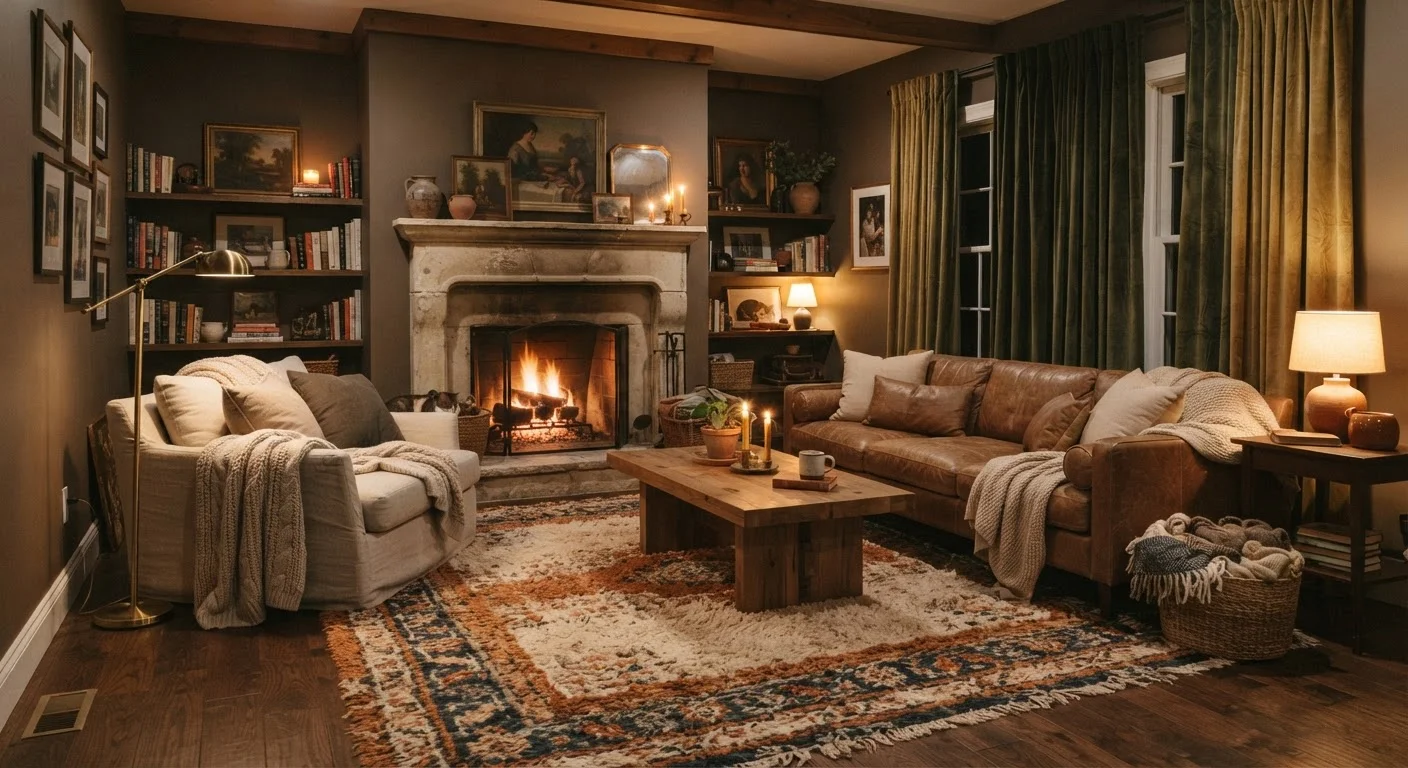
Hard flooring - wood, tile, laminate - conducts heat away from your feet and contributes to a room feeling colder than its actual air temperature. Rugs add a layer of insulation between you and the subfloor, reducing heat loss and improving perceived warmth. This is especially impactful in older homes where subfloor insulation may be minimal.
Switch to heavier or thermal curtains and close them at dusk.
Windows are the weakest thermal barrier in most walls. Glass loses heat quickly, and cold air near the window surface creates convection drafts that pull warmth away from the room's center. Heavy curtains or those with a thermal lining trap a layer of still air against the glass, substantially slowing this heat transfer.
Move furniture away from radiators and exterior walls.
A sofa pushed against a radiator absorbs heat that should be circulating into the room. Furniture against exterior walls is also exposed to more cold, which can radiate inward and make the seating uncomfortable. Positioning seating toward the center of the room allows convection currents to distribute warmth more evenly.
Keep interior doors closed in unoccupied rooms.
Heat naturally moves toward cooler spaces. If a bedroom door is open and the room is unheated, warmth from the hallway or adjacent living area will migrate toward it, cooling the occupied spaces. Closing doors concentrates heat where people actually spend time.
Use draft excluders at the base of exterior and hallway doors.
Cold air entering under doors creates a low-level draft that chills feet and forces the heating system to compensate. Draft excluders - even basic foam-and-fabric versions - create a seal that meaningfully reduces this infiltration. They're inexpensive and require no tools to install.
Use window film or secondary glazing on single-pane windows.
Single-pane glass is a major source of heat loss. Insulating window film creates an air gap that mimics some of the performance of double glazing at a fraction of the cost. It's a practical option for rooms where window replacement isn't feasible.
Quick Changes You Can Make Today
Not every improvement requires planning. Several of the highest-impact adjustments can be done in under an hour with items you may already have at home.
Combine These Practices for Better Results
No single change here is transformative on its own, but combining several - a rug, closed curtains, repositioned furniture, and closed interior doors - compounds the benefit. Think of each measure as reducing one source of heat loss; together they can make a room feel substantially more comfortable without adjusting the boiler at all.
For a broader look at how these habits connect to your overall energy use, the guide to low-cost changes that reduce heating bills covers complementary measures including radiator reflectors and draft excluders. Renters should also check out what renters can actually control - many of these practices require no landlord permission at all.
Don't Overlook Air Leaks
Even the best rug and curtain setup won't hold heat if cold air is seeping in around window frames, baseboards, or door gaps. Air leaks are among the most underrated causes of a chronically cold room. Our room-by-room guide to sealing air leaks walks through where to look and what to use - most fixes cost just a few dollars and take minutes to apply.
Air Sealing Amplifies Everything Else
Rugs and curtains work best in rooms that aren't leaking warm air through gaps in the building envelope. Even small gaps around window frames, electrical outlets on exterior walls, or baseboards can undercut your efforts. Addressing these leaks first makes every other measure more effective.
This article provides general home comfort guidance. Costs, results, and conditions vary by home type, climate, and construction. Always verify that any changes comply with local building codes, and consult a qualified professional for work involving structural, electrical, gas, or plumbing systems.